





Aerospace and automotive are two of the most demanding environments in engineering. Structures have to be light. Safety cannot be compromised. And getting something wrong late in development is expensive.
Simulation helps teams catch problems earlier. Before physical prototypes, before production, and before the pressure is highest. Altair, now part of Siemens, has built a simulation platform specifically deep enough to handle what these industries require.
Aerospace design where every gram counts
In aerospace, every gram removed from a structure is a win. But lighter designs still have to meet strict certification standards, which means engineers need high confidence in their analysis before anything goes into production.
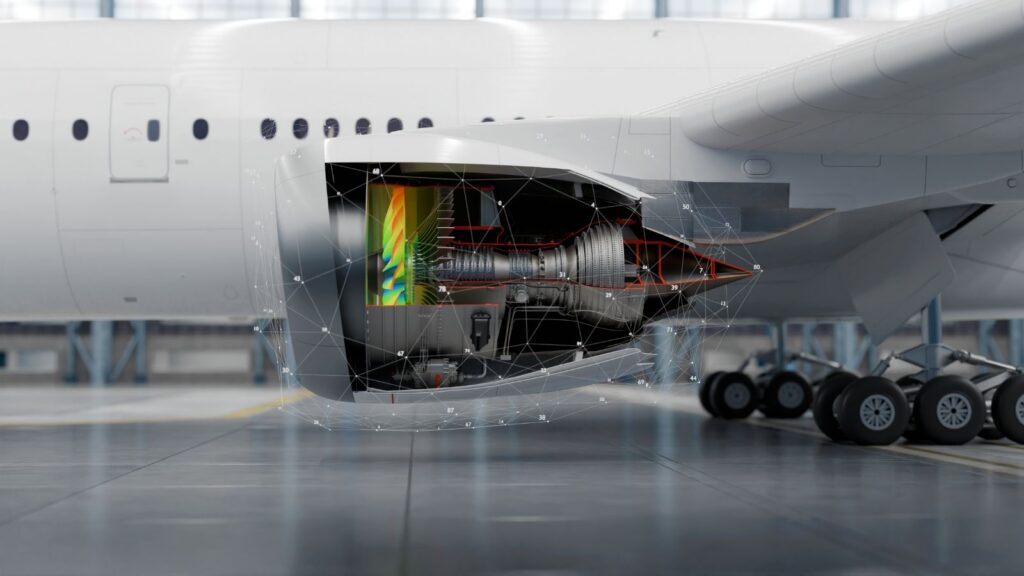
Simcenter Hyperworks addresses the simulation needs that aerospace programs most often encounter: composite material analysis, aerodynamic performance, and propulsion system thermal modeling. The result is a platform where aerospace engineers can move from early-stage concept through detailed structural and aerodynamic validation without switching tools.
JetZero, a company dedicated to creating the first commercial blended wing airplane, is a real-world example of this. Through its use of Simcenter Flightstream, JetZero is able to perform advanced CFD, reduce computational costs, and streamline time to market.
Simulation keeping pace with automotive demands
Automotive development is moving faster than ever. Tightening emission requirements and competitive pressure on performance all demand a simulation software that can keep up.
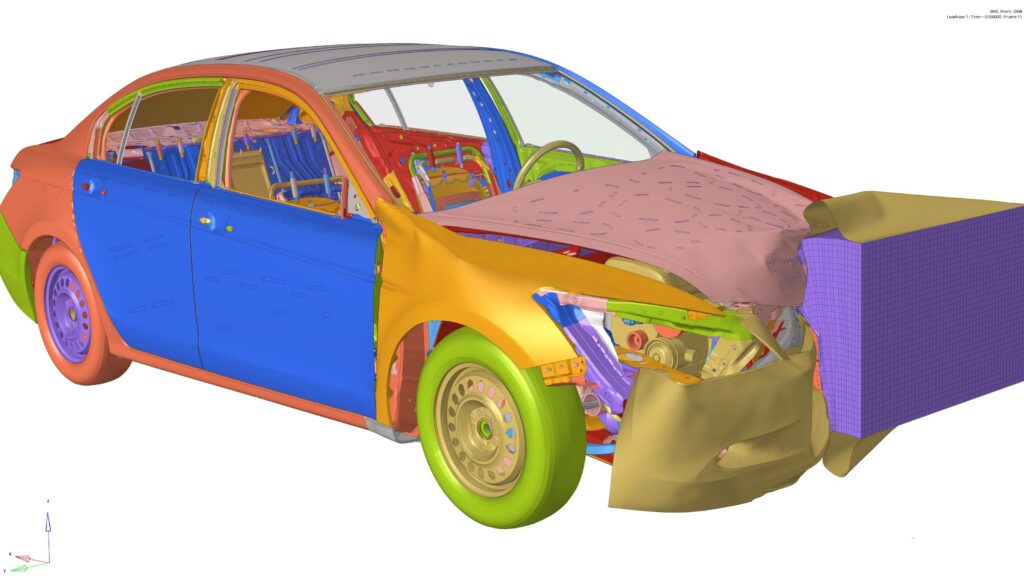
Altair’s structural analysis and optimization tools have been used across the automotive industry for more than two decades. Teams use them to find the lightest possible design that still meets all structural and safety requirements—a process that used to require far more physical testing and iteration.
Real-world results back this up. LG Electronics used Simcenter Optistruct to cut development time for vehicle components by over 20%. Gordon Murray Group, known for some of the most technically advanced vehicles ever built, is using Altair’s simulation process to develop its next generation of ultra-lightweight vehicle platforms. Altair is also part of a project with Aston Martin aimed at producing cast aluminum structure up to 30% lighter while maintaining full performance requirements.
One platform for demanding industries
What makes Altair practical for aerospace and automotive teams alike is that it covers structural analysis, fluid dynamics, thermal management, electromagnetics, and optimization in one environment. Engineers are not managing separate tools for each physics domain or trying to reconcile results across platforms.
As part of Siemens, Altair’s portfolio connects into the broader Siemens Xcelerator ecosystem, giving teams a path from simulation into the rest of their product development process.
If your team is evaluating Altair products or looking to get more out of what you already have, Applied CAx is happy to help.
Contact us here.